
Essential Features of a Residential 15KW Micro-Grid System: A Comprehensive Guide
Essential Features of a Residential 15KW Micro-Grid System A residential 15KW micro-grid system is a self-sufficient energy network that can significantly enhance a household's energy efficiency and independence. These systems allow homes to generate, store, and utilize energy independently from the main grid, making them an attractive option for those looking to reduce their carbon footprint and
Mar 02,2026
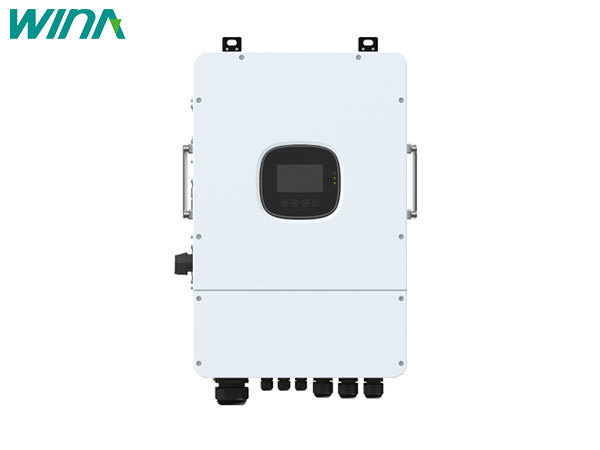
Essential Features of a Residential 15KW Micro-Grid System
A residential 15KW micro-grid system is a self-sufficient energy network that can significantly enhance a household's energy efficiency and independence. These systems allow homes to generate, store, and utilize energy independently from the main grid, making them an attractive option for those looking to reduce their carbon footprint and energy expenses. In this article, we will delve into the essential features of a residential 15KW micro-grid system, its components, benefits, and considerations for installation.
Table of Contents
1. Understanding Micro-Grids: The Basics
2. Key Components of a 15KW Micro-Grid System
- 2.1 Solar Panels: Harnessing Solar Energy
- 2.2 Energy Storage Solutions: Batteries and Beyond
- 2.3 Inverters: The Heart of Energy Conversion
- 2.4 Smart Meters: Monitoring Energy Use
3. Benefits of a Residential 15KW Micro-Grid System
- 3.1 Significant Cost Savings
- 3.2 Achieving Energy Independence
- 3.3 Minimizing Environmental Impact
4. Installation Considerations for Your Micro-Grid
- 4.1 Site Assessment: Finding the Right Fit
- 4.2 Regulatory Compliance: Navigating the Legal Landscape
5. Future Trends in Micro-Grid Technology
6. Frequently Asked Questions (FAQs)
7. Conclusion: The Future of Energy Independence
Understanding Micro-Grids: The Basics
Micro-grids are localized energy systems that can operate independently or in conjunction with the main power grid. A residential 15KW micro-grid primarily utilizes renewable energy sources, such as solar panels, to generate electricity, along with energy storage systems that allow for the use of stored energy during periods of low generation or peak demand. Understanding how micro-grids work can help homeowners make informed decisions about energy management.
Key Components of a 15KW Micro-Grid System
To effectively harness and manage energy, a residential 15KW micro-grid system consists of several critical components. Each plays a vital role in ensuring the system's efficiency and reliability.
Solar Panels: Harnessing Solar Energy
Solar panels are the primary energy source for a residential micro-grid system. They convert sunlight into electricity through photovoltaic cells, providing a renewable energy source that can significantly reduce reliance on fossil fuels. When installed correctly, solar panels can generate enough power to meet a household's energy needs while producing excess energy that can be stored for later use or sold back to the grid.
Energy Storage Solutions: Batteries and Beyond
Energy storage solutions, primarily in the form of batteries, are essential for storing excess energy generated by the solar panels. Lithium-ion batteries are commonly used due to their efficiency and longevity. These batteries store energy during peak production hours and release it during periods of high demand or when solar energy production is low, ensuring a constant power supply.
Inverters: The Heart of Energy Conversion
Inverters play a crucial role in converting the direct current (DC) electricity generated by solar panels into alternating current (AC) electricity, which is the type of electricity used in most homes. Additionally, inverters can optimize energy use by managing the flow of electricity between the solar panels, batteries, and the home’s electrical system.
Smart Meters: Monitoring Energy Use
Smart meters provide real-time data on energy consumption and production. By tracking energy usage patterns, homeowners can make more informed decisions regarding their energy consumption, helping to maximize efficiency and reduce costs. Additionally, some smart meters allow for remote monitoring and management of the micro-grid system.
Benefits of a Residential 15KW Micro-Grid System
The adoption of a 15KW micro-grid system offers numerous advantages for homeowners, from financial savings to environmental benefits.
Significant Cost Savings
Investing in a 15KW micro-grid system can lead to substantial cost savings on energy bills. By generating their own electricity, homeowners can reduce their reliance on the grid and lower their overall energy costs. Additionally, many regions offer incentives, tax credits, and rebates for renewable energy installations, further enhancing the financial benefits.
Achieving Energy Independence
A micro-grid system empowers homeowners to become less reliant on traditional utility companies. This independence is particularly valuable during power outages or emergencies, as the micro-grid can continue to function autonomously, providing a reliable energy source even in challenging conditions.
Minimizing Environmental Impact
Switching to a micro-grid system significantly reduces a household's carbon footprint. By utilizing renewable energy sources, homeowners can contribute to environmental sustainability and decrease their dependence on fossil fuels. This shift not only benefits the planet but also promotes a cleaner, healthier living environment.
Installation Considerations for Your Micro-Grid
Before installing a 15KW micro-grid system, several critical factors should be considered to ensure optimal performance.
Site Assessment: Finding the Right Fit
A thorough site assessment is essential to determine the feasibility of a micro-grid installation. Factors such as roof orientation, shading, and local climate conditions can significantly impact the efficiency of solar panels. Conducting an assessment helps identify the best system design tailored to the specific needs of the household.
Regulatory Compliance: Navigating the Legal Landscape
Before installation, homeowners must ensure compliance with local regulations and building codes. This includes obtaining the necessary permits and adhering to safety standards. Working with a professional installer can help streamline this process, ensuring that all legal requirements are met.
Future Trends in Micro-Grid Technology
As technology continues to evolve, so does the potential for residential micro-grid systems. Emerging trends include increased integration with smart home technologies, advancements in battery storage capabilities, and enhanced grid connectivity. These developments are expected to make micro-grid systems more efficient, user-friendly, and accessible to a broader range of homeowners.
Frequently Asked Questions (FAQs)
1. How much does a 15KW micro-grid system cost?
The cost of a 15KW micro-grid system can vary widely based on components, installation, and local incentives. Generally, prices can range from $20,000 to $40,000, depending on specific needs and configurations.
2. What type of batteries should I use for my micro-grid?
Lithium-ion batteries are the most commonly used energy storage solutions due to their efficiency, lifespan, and performance. However, other options include lead-acid and flow batteries, which may be suitable depending on your specific requirements.
3. Can I sell excess energy back to the grid?
Many regions have net metering programs that allow homeowners to sell excess energy generated by their micro-grid systems back to the grid. Check with your local utility provider for specific policies and regulations.
4. How long do solar panels last?
Most solar panels come with a warranty of 25 years, but many can last beyond that with proper maintenance. Over time, solar panels may experience a slight decrease in efficiency, but they remain functional for several decades.
5. Do I need a backup generator with a micro-grid system?
While a micro-grid can function independently, some homeowners choose to install backup generators for added security during prolonged outages or extreme weather conditions.
Conclusion: The Future of Energy Independence
A residential 15KW micro-grid system represents a significant step towards energy independence and sustainability. By harnessing renewable resources and optimizing energy usage, homeowners can enjoy substantial financial savings while reducing their environmental impact. As technology continues to advance, the future of micro-grid systems looks promising, paving the way for a cleaner and more sustainable energy landscape. Investing in a micro-grid is not just about energy savings; it’s about embracing a more sustainable future for generations to come.

Request Quote
Note: Please be sure to fill in the information accurately and keep communication open, we will get in touch with you as soon as possible