
Understanding High Capacity 3.2V 20Ah LiFePO4 Cells: A Comprehensive Overview
High Capacity 3.2V 20Ah LiFePO4 cells, also known as Lithium Iron Phosphate cells, are gaining popularity due to their impressive performance and safety features. These cells belong to a class of lithium-ion batteries that utilize iron phosphate as a cathode material, which contributes to their unique properties. One of the standout features of LiFePO4 cells is their enhanced thermal stability. Un
Feb 08,2026
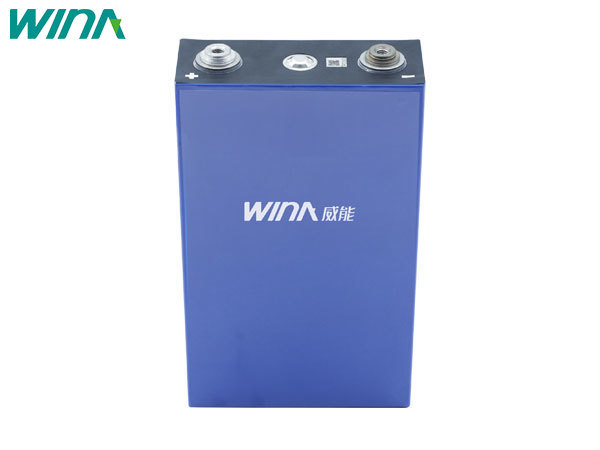
High Capacity 3.2V 20Ah LiFePO4 cells, also known as Lithium Iron Phosphate cells, are gaining popularity due to their impressive performance and safety features. These cells belong to a class of lithium-ion batteries that utilize iron phosphate as a cathode material, which contributes to their unique properties. One of the standout features of LiFePO4 cells is their enhanced thermal stability. Unlike other lithium-ion chemistries, they are less prone to thermal runaway, making them a safer choice for various applications.
When it comes to capacity, the 20Ah rating indicates that these cells can deliver a consistent current of 20A for one hour, or maintain a lower current for a longer duration. This high capacity is particularly beneficial in applications that require sustained power over extended periods. The nominal voltage of 3.2V makes these cells suitable for a variety of configurations, allowing for flexibility in system design and integration.
Another significant advantage of High Capacity 3.2V 20Ah LiFePO4 cells is their cycle life. Typically, these cells can handle over 2000 charge-discharge cycles with minimal capacity degradation, far exceeding the lifespan of traditional lead-acid batteries or even other lithium-ion technologies. This longevity translates to lower replacement costs and reduced environmental impact over time, making them an eco-friendly option.
The applications of these cells are diverse and expanding. They are increasingly used in electric vehicles, renewable energy storage systems, and portable power solutions. In electric vehicles, for instance, their high energy density and stability contribute to improved performance and safety. In renewable energy systems, they play a crucial role in storing energy generated by solar panels or wind turbines, thus supporting the transition to sustainable energy sources.
Additionally, LiFePO4 cells are known for their high discharge rates, making them suitable for applications that require quick bursts of power. This characteristic is particularly valuable in areas such as power tools or electric bikes, where immediate energy delivery is essential for optimal performance.
In summary, High Capacity 3.2V 20Ah LiFePO4 cells represent a significant advancement in battery technology, offering high energy density, safety, and long cycle life. Their versatile applications and sustainable advantages make them an excellent choice for professionals looking to enhance energy storage solutions across various sectors. Understanding these cells and their benefits can aid professionals in making informed decisions regarding battery selection and integration in their projects.
When it comes to capacity, the 20Ah rating indicates that these cells can deliver a consistent current of 20A for one hour, or maintain a lower current for a longer duration. This high capacity is particularly beneficial in applications that require sustained power over extended periods. The nominal voltage of 3.2V makes these cells suitable for a variety of configurations, allowing for flexibility in system design and integration.
Another significant advantage of High Capacity 3.2V 20Ah LiFePO4 cells is their cycle life. Typically, these cells can handle over 2000 charge-discharge cycles with minimal capacity degradation, far exceeding the lifespan of traditional lead-acid batteries or even other lithium-ion technologies. This longevity translates to lower replacement costs and reduced environmental impact over time, making them an eco-friendly option.
The applications of these cells are diverse and expanding. They are increasingly used in electric vehicles, renewable energy storage systems, and portable power solutions. In electric vehicles, for instance, their high energy density and stability contribute to improved performance and safety. In renewable energy systems, they play a crucial role in storing energy generated by solar panels or wind turbines, thus supporting the transition to sustainable energy sources.
Additionally, LiFePO4 cells are known for their high discharge rates, making them suitable for applications that require quick bursts of power. This characteristic is particularly valuable in areas such as power tools or electric bikes, where immediate energy delivery is essential for optimal performance.
In summary, High Capacity 3.2V 20Ah LiFePO4 cells represent a significant advancement in battery technology, offering high energy density, safety, and long cycle life. Their versatile applications and sustainable advantages make them an excellent choice for professionals looking to enhance energy storage solutions across various sectors. Understanding these cells and their benefits can aid professionals in making informed decisions regarding battery selection and integration in their projects.

Request Quote
Note: Please be sure to fill in the information accurately and keep communication open, we will get in touch with you as soon as possible