
Exploring the Features of 25.1kWh LiFePO4 EV Batteries: A Comprehensive Guide to Efficiency and Reliability
Exploring the Features of 25.1kWh LiFePO4 EV Batteries: A Comprehensive Guide Table of Contents 1. Introduction to LiFePO4 EV Batteries 2. What is LiFePO4 Technology? 3. Advantages of 25.1kWh LiFePO4 Batteries 4. Disadvantages of 25.1kWh LiFePO4 Batteries 5. Applications of 25.1kWh LiFePO4 Batteries 6. How to Choose the Right 25.1kWh Battery 7. Maintenance Tips for Longevity 8. Th
Dec 11,2025
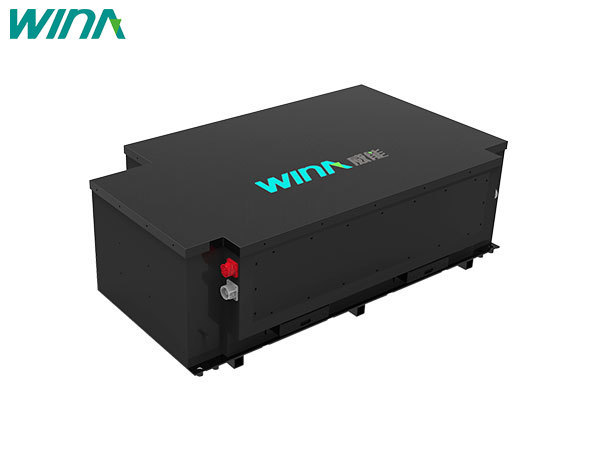
Exploring the Features of 25.1kWh LiFePO4 EV Batteries: A Comprehensive Guide
Table of Contents
- 1. Introduction to LiFePO4 EV Batteries
- 2. What is LiFePO4 Technology?
- 3. Advantages of 25.1kWh LiFePO4 Batteries
- 4. Disadvantages of 25.1kWh LiFePO4 Batteries
- 5. Applications of 25.1kWh LiFePO4 Batteries
- 6. How to Choose the Right 25.1kWh Battery
- 7. Maintenance Tips for Longevity
- 8. The Future of LiFePO4 Batteries in EVs
- 9. Frequently Asked Questions
- 10. Conclusion
1. Introduction to LiFePO4 EV Batteries
The demand for efficient and sustainable energy solutions has led to remarkable advancements in battery technology. Among these innovations, **LiFePO4 (Lithium Iron Phosphate)** batteries have emerged as a popular choice for electric vehicles (EVs). The **25.1kWh LiFePO4 EV battery** is particularly noteworthy due to its unique combination of performance, safety, and longevity. This article aims to explore the myriad features of this specific battery, helping consumers and manufacturers make informed decisions.
2. What is LiFePO4 Technology?
**LiFePO4 technology** is a type of lithium-ion battery known for its stable chemistry and robust performance. It utilizes lithium iron phosphate as the cathode material, which offers several advantages over other lithium-ion chemistries.
The Chemistry Behind LiFePO4
The key to LiFePO4's success lies in its chemical structure. The phosphate group enhances thermal stability and makes the battery less prone to overheating and combustion. This stability ensures a safer energy source for electric vehicles, contributing significantly to the growing preference for LiFePO4 batteries.
Comparing LiFePO4 to Other Lithium Batteries
Compared to other lithium-ion batteries, such as lithium cobalt oxide (LCO) or lithium nickel manganese cobalt (NMC), **LiFePO4** batteries demonstrate superior thermal stability and longer cycle life. This makes them an excellent choice for EV applications, where safety and longevity are critical.
3. Advantages of 25.1kWh LiFePO4 Batteries
The **25.1kWh LiFePO4 battery** boasts several advantages that make it an appealing option for electric vehicles.
Exceptional Safety Features
One of the primary benefits of LiFePO4 batteries is their safety. They are less likely to overheat or catch fire, which is a crucial consideration for electric vehicle manufacturers and consumers alike. The stable chemistry of LiFePO4 helps minimize risks associated with battery failure.
Longer Lifespan
**25.1kWh LiFePO4 batteries** typically last longer than traditional lithium-ion batteries, often exceeding 2000 charging cycles. This longevity reduces the frequency of battery replacement, making it a more cost-effective option in the long run.
High Energy Density
Although LiFePO4 batteries are heavier than some alternatives, they provide a **high energy density** that translates into extended driving ranges for electric vehicles. This quality enhances the overall driving experience, making long trips feasible without frequent recharges.
Rapid Charging Capability
The ability to charge quickly is another significant advantage. **25.1kWh LiFePO4 batteries** can often accept high charging currents, allowing them to recharge faster than conventional lithium batteries.
Environmental Sustainability
Given the global push for sustainable energy, the environmental impact of battery production and disposal is a pressing concern. LiFePO4 batteries are considered more environmentally friendly than other battery types due to the abundance of raw materials used in their production.
4. Disadvantages of 25.1kWh LiFePO4 Batteries
While the advantages of **25.1kWh LiFePO4 batteries** are compelling, it's essential to consider their disadvantages as well.
Weight Considerations
LiFePO4 batteries tend to be heavier than their lithium-ion counterparts, which can affect the overall weight and efficiency of the electric vehicle. This factor may limit their application in smaller or more performance-focused vehicles.
Lower Voltage Output
The nominal voltage of LiFePO4 batteries is lower than that of other lithium batteries, which might necessitate more cells in series for high voltage applications. This can complicate battery design and increase costs.
5. Applications of 25.1kWh LiFePO4 Batteries
The **25.1kWh LiFePO4 battery** is versatile and finds applications in various fields beyond electric vehicles.
Electric Vehicles (EVs)
The primary application for 25.1kWh LiFePO4 batteries is in electric vehicles, providing a reliable and safe energy source.
Energy Storage Systems
These batteries are also used in **energy storage systems** for homes and businesses, enabling the storage of solar or wind energy for later use.
Marine Applications
The marine industry is increasingly adopting LiFePO4 batteries for use in electric boats and personal watercraft, where safety and weight are significant considerations.
Backup Power Systems
LiFePO4 batteries are commonly employed in **uninterruptible power supplies (UPS)** and backup systems due to their reliability and safety features.
6. How to Choose the Right 25.1kWh Battery
Selecting the appropriate battery involves considering several critical factors.
Assess Your Power Needs
Before making a choice, assess your energy requirements. This includes evaluating your vehicle's range, performance, and how often you plan to charge.
Consider Battery Lifespan
Choose a battery that offers a longer lifespan and higher cycle stability, which can save you money in the long term.
Evaluate Safety Ratings
Safety features should be a top priority. Look for batteries that adhere to rigorous safety standards.
7. Maintenance Tips for Longevity
Proper maintenance is crucial to extending the lifespan of your **25.1kWh LiFePO4 battery**.
Regular Inspections
Conduct regular inspections to check for any signs of wear or damage. Early detection can prevent significant issues down the line.
Optimal Charging Practices
Employ optimal charging practices by avoiding overcharging and discharging the battery completely, which can lead to reduced performance over time.
Temperature Management
Maintain an optimal operating temperature for your battery. Extreme heat or cold can adversely affect performance and lifespan.
8. The Future of LiFePO4 Batteries in EVs
The future looks promising for **LiFePO4 batteries** in the electric vehicle sector. As technology advances, we can expect improvements in energy density, charging speeds, and overall efficiency. The increasing focus on sustainable energy solutions will further bolster their adoption in various applications.
9. Frequently Asked Questions
What is the lifespan of a 25.1kWh LiFePO4 battery?
Typically, a 25.1kWh LiFePO4 battery can last over 2000 charging cycles, depending on usage and maintenance.
Are LiFePO4 batteries safe?
Yes, LiFePO4 batteries are known for their safety, as they are less prone to overheating and combustion compared to other lithium batteries.
Can LiFePO4 batteries be recycled?
Yes, LiFePO4 batteries can be recycled, and their materials are more environmentally friendly compared to other battery types.
How do I maintain my LiFePO4 battery?
Regular inspections, optimal charging practices, and temperature management are essential for maintaining your LiFePO4 battery.
What applications is the 25.1kWh LiFePO4 battery suitable for?
The 25.1kWh LiFePO4 battery is suitable for electric vehicles, energy storage systems, marine applications, and backup power systems.
10. Conclusion
The **25.1kWh LiFePO4 battery** stands at the forefront of battery technology, offering a remarkable blend of safety, longevity, and efficiency. With its various applications and advantages, it is transforming how we think about energy storage in electric vehicles and beyond. As the industry continues to evolve, we can expect even greater advancements in LiFePO4 technology, solidifying its place as a leading choice for sustainable energy solutions. By understanding the features and implications of these batteries, consumers and manufacturers alike can make informed choices that drive the future of electric mobility.

Request Quote
Note: Please be sure to fill in the information accurately and keep communication open, we will get in touch with you as soon as possible