
Understanding High Capacity 3.2V 20Ah LiFePO4 Cells: A Comprehensive Guide
High Capacity 3.2V 20Ah LiFePO4 (Lithium Iron Phosphate) cells are increasingly gaining attention in various applications due to their superior performance and safety features. As a rechargeable lithium-ion battery technology, LiFePO4 cells offer several benefits that make them an ideal choice for a wide range of uses, particularly in the electrical and electronics sector. One of the most signific
Nov 26,2025
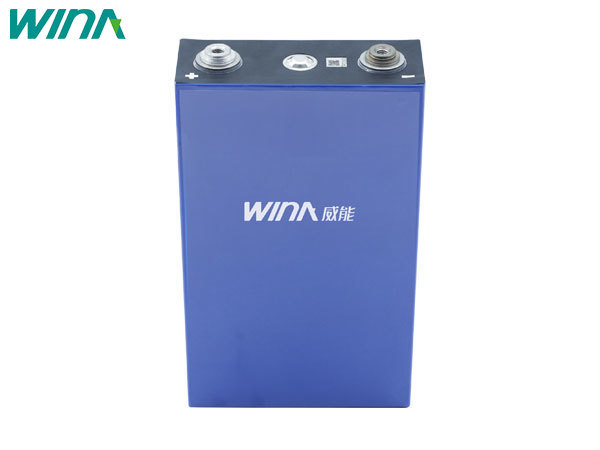
High Capacity 3.2V 20Ah LiFePO4 (Lithium Iron Phosphate) cells are increasingly gaining attention in various applications due to their superior performance and safety features. As a rechargeable lithium-ion battery technology, LiFePO4 cells offer several benefits that make them an ideal choice for a wide range of uses, particularly in the electrical and electronics sector.
One of the most significant advantages of LiFePO4 technology is its thermal stability. Unlike other lithium-ion chemistries, LiFePO4 is less prone to thermal runaway, making it a safer option for applications requiring robust battery performance. The 3.2V voltage specification of these cells indicates their suitable compatibility with various electronic systems while providing reliable power output.
The high capacity of 20Ah is another compelling trait, allowing these cells to hold a substantial amount of energy. This capacity translates to longer operational times in applications such as electric vehicles (EVs), renewable energy storage systems, and portable electronics. Professionals seeking to enhance the efficiency and longevity of their devices will find that these cells can meet demanding energy requirements without compromising safety.
Moreover, LiFePO4 cells exhibit excellent cycle life, often exceeding 2000 charge-discharge cycles. This durability significantly reduces the frequency of battery replacements and offers a cost-effective solution for long-term energy needs. For industries that rely on continuous power supply, such as telecommunications and emergency backup systems, the longevity of these batteries is particularly valuable.
Another notable feature of High Capacity 3.2V 20Ah LiFePO4 cells is their environmental friendliness. They are considered non-toxic and do not contain heavy metals, making them a greener alternative compared to traditional lead-acid batteries. This characteristic aligns with the growing demand for sustainable energy solutions and contributes positively to global environmental goals.
When considering the integration of High Capacity 3.2V 20Ah LiFePO4 cells into your projects or products, it is essential to evaluate the compatibility with existing systems and the specific energy requirements of your applications. Understanding the discharge rates, charge cycles, and operating temperature ranges can help you leverage the full potential of these batteries.
In summary, High Capacity 3.2V 20Ah LiFePO4 cells stand out for their safety, longevity, and environmental benefits, making them an excellent choice for various applications in the electrical and electronics industry. As the demand for efficient and reliable energy storage solutions continues to grow, these cells are likely to play a crucial role in driving innovation and sustainability in the field.
One of the most significant advantages of LiFePO4 technology is its thermal stability. Unlike other lithium-ion chemistries, LiFePO4 is less prone to thermal runaway, making it a safer option for applications requiring robust battery performance. The 3.2V voltage specification of these cells indicates their suitable compatibility with various electronic systems while providing reliable power output.
The high capacity of 20Ah is another compelling trait, allowing these cells to hold a substantial amount of energy. This capacity translates to longer operational times in applications such as electric vehicles (EVs), renewable energy storage systems, and portable electronics. Professionals seeking to enhance the efficiency and longevity of their devices will find that these cells can meet demanding energy requirements without compromising safety.
Moreover, LiFePO4 cells exhibit excellent cycle life, often exceeding 2000 charge-discharge cycles. This durability significantly reduces the frequency of battery replacements and offers a cost-effective solution for long-term energy needs. For industries that rely on continuous power supply, such as telecommunications and emergency backup systems, the longevity of these batteries is particularly valuable.
Another notable feature of High Capacity 3.2V 20Ah LiFePO4 cells is their environmental friendliness. They are considered non-toxic and do not contain heavy metals, making them a greener alternative compared to traditional lead-acid batteries. This characteristic aligns with the growing demand for sustainable energy solutions and contributes positively to global environmental goals.
When considering the integration of High Capacity 3.2V 20Ah LiFePO4 cells into your projects or products, it is essential to evaluate the compatibility with existing systems and the specific energy requirements of your applications. Understanding the discharge rates, charge cycles, and operating temperature ranges can help you leverage the full potential of these batteries.
In summary, High Capacity 3.2V 20Ah LiFePO4 cells stand out for their safety, longevity, and environmental benefits, making them an excellent choice for various applications in the electrical and electronics industry. As the demand for efficient and reliable energy storage solutions continues to grow, these cells are likely to play a crucial role in driving innovation and sustainability in the field.

Request Quote
Note: Please be sure to fill in the information accurately and keep communication open, we will get in touch with you as soon as possible