
Why 25.1kWh LiFePO4 EV Batteries Are Revolutionizing Electric Vehicles
Why 25.1kWh LiFePO4 EV Batteries Are Revolutionizing Electric Vehicles Introduction to LiFePO4 Battery Technology As the world shifts towards sustainable energy solutions, the demand for innovative electric vehicles (EVs) continues to rise. At the forefront of this evolution is the 25.1kWh LiFePO4 (Lithium Iron Phosphate) battery. This battery technology is redefining the electric vehicle indu
Nov 21,2025
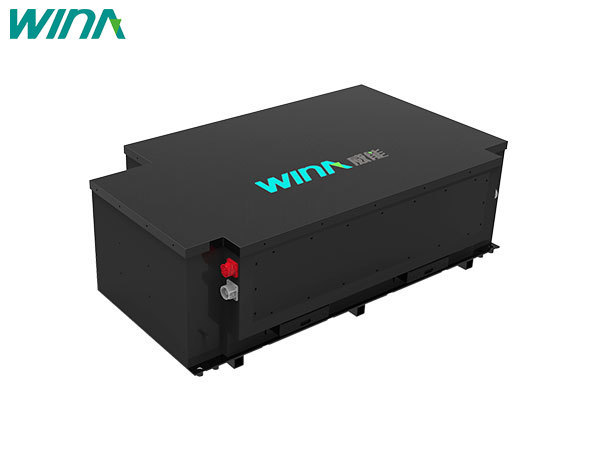
Why 25.1kWh LiFePO4 EV Batteries Are Revolutionizing Electric Vehicles
Introduction to LiFePO4 Battery Technology
As the world shifts towards sustainable energy solutions, the demand for innovative electric vehicles (EVs) continues to rise. At the forefront of this evolution is the 25.1kWh LiFePO4 (Lithium Iron Phosphate) battery. This battery technology is redefining the electric vehicle industry, offering advantages that traditional lithium-ion batteries cannot match. This article delves into the reasons behind the growing popularity of 25.1kWh LiFePO4 batteries and how they are revolutionizing the way we think about electric transportation.
Table of Contents
- 1. Understanding LiFePO4: The Science Behind the Battery
- 2. Key Advantages of 25.1kWh LiFePO4 Batteries
- 3. How 25.1kWh LiFePO4 Batteries Compare to Traditional Batteries
- 4. The Impact of LiFePO4 on Electric Vehicle Performance
- 5. Safety Features of LiFePO4 Batteries
- 6. Environmental Benefits of Using LiFePO4 Technology
- 7. The Future of EVs with LiFePO4 Batteries
- 8. Frequently Asked Questions about LiFePO4 Batteries
- 9. Conclusion
1. Understanding LiFePO4: The Science Behind the Battery
LiFePO4 batteries utilize lithium iron phosphate as a cathode material. This unique composition provides several benefits, including thermal stability, improved safety, and a longer lifecycle compared to other lithium-ion batteries. The chemistry involved enables these batteries to maintain a stable voltage throughout their discharge cycle, making them reliable power sources for electric vehicles.
The manufacturing process of LiFePO4 batteries involves a series of steps that ensure optimal performance and efficiency. From the synthesis of the cathode material to the assembly of the battery cells, manufacturers focus on quality control to ensure the durability and effectiveness of the final product.
2. Key Advantages of 25.1kWh LiFePO4 Batteries
The 25.1kWh LiFePO4 battery packs a punch with numerous advantages that make it a preferred choice for electric vehicles.
Longevity and Durability
LiFePO4 batteries offer a significantly longer lifespan, often exceeding 3000 charge cycles. This longevity means that they can withstand the rigors of daily use without suffering from rapid degradation, making them an economically wise choice for both manufacturers and consumers.
Fast Charging Capabilities
Another noteworthy feature of the 25.1kWh LiFePO4 battery is its ability to charge rapidly without compromising safety or performance. This quick turnaround time enhances the practicality of electric vehicles, allowing users to spend less time charging and more time on the road.
Consistent Performance
The battery maintains a stable voltage and delivers consistent power output, ensuring that electric vehicles equipped with LiFePO4 technology perform efficiently under various conditions. This reliability is crucial for both urban and rural driving environments, where power demands can vary considerably.
3. How 25.1kWh LiFePO4 Batteries Compare to Traditional Batteries
When comparing the 25.1kWh LiFePO4 battery to traditional lithium-ion batteries, several factors come into play.
Safety and Stability
One of the most significant advantages of LiFePO4 technology is its superior safety profile. Unlike conventional lithium-ion batteries, which can be prone to overheating and thermal runaway, LiFePO4 batteries remain stable even under extreme conditions, reducing the risk of fire or explosion.
Cost Efficiency
While the initial investment in 25.1kWh LiFePO4 batteries may be higher than traditional batteries, their longevity and minimal maintenance requirements translate to long-term savings. Fewer replacements and reduced upkeep costs make these batteries a financially sound choice for electric vehicle manufacturers.
4. The Impact of LiFePO4 on Electric Vehicle Performance
The integration of 25.1kWh LiFePO4 batteries into electric vehicles has led to remarkable improvements in overall performance.
Enhanced Range
With a robust energy capacity, LiFePO4 batteries provide electric vehicles with an extended driving range, alleviating concerns about running out of power on long journeys.
Smooth Acceleration
The ability of LiFePO4 batteries to deliver consistent power leads to smoother acceleration and improved driving dynamics. This responsiveness enhances the overall driving experience, making electric vehicles more appealing to consumers.
5. Safety Features of LiFePO4 Batteries
Safety is a paramount concern for any battery technology, and the 25.1kWh LiFePO4 battery excels in this area.
Thermal Stability
LiFePO4 batteries have a high thermal stability threshold, which minimizes the risk of overheating. This feature is particularly beneficial in electric vehicles, where high energy demands can lead to temperature fluctuations.
Robust Design
Manufacturers implement rigorous safety protocols during the design and construction of LiFePO4 batteries. Features such as overcharge protection, short circuit prevention, and built-in management systems ensure that the battery operates safely within its specified limits.
6. Environmental Benefits of Using LiFePO4 Technology
The environmental impact of battery technology is a critical factor in the sustainability of electric vehicles.
Reduced Toxicity
LiFePO4 batteries contain fewer toxic materials compared to traditional lithium-ion batteries, making them more environmentally friendly. This shift reduces the ecological footprint associated with battery production and disposal.
Recyclability
The materials used in LiFePO4 batteries are more easily recyclable, contributing to a circular economy where battery components are reclaimed and reused. This practice minimizes waste and lessens the demand for raw materials, further supporting environmental sustainability.
7. The Future of EVs with LiFePO4 Batteries
As the electric vehicle market continues to expand, the role of 25.1kWh LiFePO4 batteries is set to grow.
Innovation and Development
Ongoing research and development are focused on optimizing LiFePO4 technology to enhance performance, reduce costs, and improve manufacturing processes. As advancements occur, we can expect even more efficient and effective battery solutions for electric vehicles.
Industry Adoption
More manufacturers are recognizing the benefits of LiFePO4 technology and are increasingly incorporating these batteries into their EV designs. This trend will likely accelerate as consumers demand safer, longer-lasting, and more efficient electric vehicles.
8. Frequently Asked Questions about LiFePO4 Batteries
What is the average lifespan of a 25.1kWh LiFePO4 battery?
The average lifespan can exceed 3000 charge cycles, making it suitable for long-term use in electric vehicles.
Are LiFePO4 batteries safe for automotive applications?
Yes, LiFePO4 batteries are known for their thermal stability and safety features, making them a reliable choice for electric vehicles.
How do LiFePO4 batteries perform in extreme temperatures?
LiFePO4 batteries maintain consistent performance in a wide range of temperatures, ensuring reliability in various driving conditions.
Can LiFePO4 batteries be recycled?
Yes, the materials used in LiFePO4 batteries are recyclable, contributing to environmental sustainability.
What are the charging times for 25.1kWh LiFePO4 batteries?
These batteries have fast charging capabilities, allowing them to charge significantly quicker than traditional lithium-ion batteries, depending on the charging infrastructure used.
9. Conclusion
The 25.1kWh LiFePO4 battery is undoubtedly revolutionizing the electric vehicle industry. With its remarkable benefits, including longevity, safety, and environmental advantages, this battery technology represents a significant advancement in the quest for sustainable transportation. As the automotive landscape continues to evolve, LiFePO4 batteries will play a critical role in shaping the future of electric vehicles, offering consumers and manufacturers alike a reliable and efficient energy solution.

Request Quote
Note: Please be sure to fill in the information accurately and keep communication open, we will get in touch with you as soon as possible