
Unlocking the Power of 25.1kWh LiFePO4 EV Batteries for Sustainable Driving
Unlocking the Power of 25.1kWh LiFePO4 EV Batteries for Sustainable Driving Table of Contents 1. Introduction to LiFePO4 Batteries 2. What is LiFePO4 Technology? 3. Benefits of 25.1kWh LiFePO4 EV Batteries 4. Applications of 25.1kWh LiFePO4 Batteries 5. Sustainability and Environmental Impact 6. The Future of 25.1kWh LiFePO4 Batteries in EVs 7. Comparison with Other Ba
Nov 11,2025
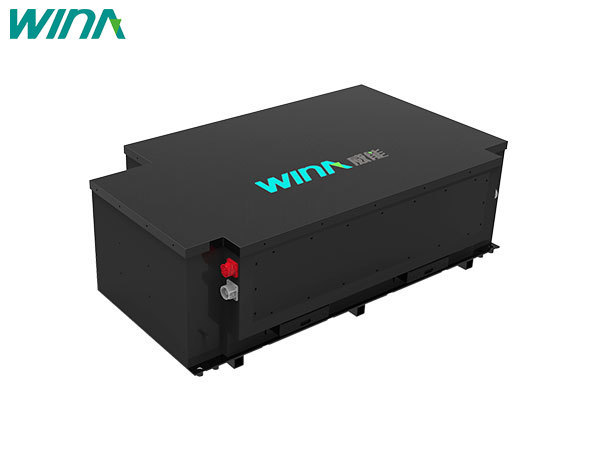
Unlocking the Power of 25.1kWh LiFePO4 EV Batteries for Sustainable Driving
Table of Contents
- 1. Introduction to LiFePO4 Batteries
- 2. What is LiFePO4 Technology?
- 3. Benefits of 25.1kWh LiFePO4 EV Batteries
- 4. Applications of 25.1kWh LiFePO4 Batteries
- 5. Sustainability and Environmental Impact
- 6. The Future of 25.1kWh LiFePO4 Batteries in EVs
- 7. Comparison with Other Battery Technologies
- 8. FAQs about 25.1kWh LiFePO4 EV Batteries
- 9. Conclusion
1. Introduction to LiFePO4 Batteries
In the evolving landscape of electric vehicles (EVs), 25.1kWh LiFePO4 (Lithium Iron Phosphate) batteries have emerged as a game-changer. These batteries not only provide impressive energy density but also enhance safety and longevity. As the demand for sustainable transportation rises, understanding these batteries' capabilities becomes crucial for both manufacturers and consumers.
2. What is LiFePO4 Technology?
LiFePO4 is a type of lithium-ion battery that uses iron phosphate as its cathode material. This technology offers several advantages over traditional lithium-ion cells, including improved thermal stability, higher safety profiles, and longer life cycles. Unlike other lithium batteries, LiFePO4 batteries are less prone to thermal runaway, making them a reliable choice for various applications, especially in electric vehicles.
2.1 How LiFePO4 Works
LiFePO4 batteries operate through the movement of lithium ions between the anode and cathode during charging and discharging cycles. The iron phosphate cathode provides a stable structure, allowing for efficient electron flow. This design enhances the battery's charging speed and overall performance, making it an ideal choice for EV applications.
3. Benefits of 25.1kWh LiFePO4 EV Batteries
The adoption of 25.1kWh LiFePO4 batteries in electric vehicles presents numerous benefits that can significantly impact the EV market.
3.1 Energy Density and Efficiency
With a capacity of 25.1kWh, these batteries offer substantial energy storage, enabling EVs to achieve longer ranges on a single charge. This efficiency reduces the frequency of charging and enhances the practicality of electric vehicles for everyday use.
3.2 Safety Features
Safety is paramount in battery technology, and LiFePO4 excels in this area. The inherent stability of the iron phosphate chemical structure minimizes risks associated with overheating and combustion. This makes LiFePO4 batteries a safer choice for manufacturers and consumers alike.
3.3 Longevity and Durability
LiFePO4 batteries boast a long cycle life, typically lasting over 2000 charge cycles without significant degradation. This durability ensures that users can enjoy their electric vehicles for an extended period before needing to replace the battery, ultimately leading to cost savings.
3.4 Environmental Benefits
As the world pushes for greener technologies, LiFePO4 batteries contribute positively to environmental sustainability. They contain no toxic heavy metals, making them easier to recycle compared to other battery types, thus supporting a circular economy.
4. Applications of 25.1kWh LiFePO4 Batteries
25.1kWh LiFePO4 batteries find diverse applications beyond conventional electric vehicles.
4.1 Electric Vehicles
The primary application of LiFePO4 batteries is in electric cars, where their efficiency and safety features enhance the driving experience. Major automakers are increasingly integrating these batteries into their EV platforms.
4.2 Energy Storage Systems
Aside from vehicles, these batteries are also utilized in energy storage systems for homes and businesses, particularly in renewable energy setups. They store excess energy from solar panels, providing a reliable power source during peak usage times.
4.3 Backup Power Solutions
LiFePO4 batteries are ideal for uninterruptible power supplies (UPS) and backup power for critical applications, ensuring that essential services remain operational during outages.
5. Sustainability and Environmental Impact
The production and use of 25.1kWh LiFePO4 batteries contribute to a more sustainable future. Their lifecycle analysis indicates a lower carbon footprint compared to traditional lead-acid and nickel-cadmium batteries.
5.1 Reduced Carbon Emissions
By enabling cleaner transportation options, LiFePO4 batteries help in reducing greenhouse gas emissions associated with fossil fuel consumption. The shift to electric vehicles powered by these batteries supports global efforts to combat climate change.
5.2 Recyclability
LiFePO4 batteries are more environmentally friendly due to their simpler recycling processes. The absence of harmful materials makes recycling more efficient, allowing valuable components to be reused in new batteries.
6. The Future of 25.1kWh LiFePO4 Batteries in EVs
The future of 25.1kWh LiFePO4 batteries in electric vehicles looks promising. As technology advances, we can expect improvements in energy density, faster charging times, and even greater efficiency.
6.1 Innovations in Battery Technology
Research and development in battery technology will likely yield new materials and designs that can enhance the performance of LiFePO4 batteries even further. Innovations could lead to lighter batteries with greater energy storage capabilities.
6.2 Market Trends
The electric vehicle market is set to grow exponentially, driven by consumer demand for sustainable solutions. As manufacturers increasingly adopt LiFePO4 batteries, we can anticipate a surge in EV options featuring this technology.
7. Comparison with Other Battery Technologies
To understand the advantages of 25.1kWh LiFePO4 batteries, it's essential to compare them with other popular battery technologies.
7.1 Li-ion vs. LiFePO4
While traditional lithium-ion batteries offer high energy density, LiFePO4 batteries provide better thermal stability and safety. This makes LiFePO4 a more reliable choice for electric vehicles, where safety is a critical concern.
7.2 Cost-Effectiveness
Initially, LiFePO4 batteries may have a higher upfront cost, but their long lifespan and low maintenance needs make them more cost-effective in the long run compared to other battery types.
8. FAQs about 25.1kWh LiFePO4 EV Batteries
8.1 What is the lifespan of a 25.1kWh LiFePO4 battery?
Typically, a LiFePO4 battery can last for over 2000 charge cycles, equating to a lifespan of around 10-15 years under normal usage conditions.
8.2 Are LiFePO4 batteries safe for use in electric vehicles?
Yes, LiFePO4 batteries are known for their exceptional safety features, minimizing risks associated with overheating and potential fires.
8.3 How do LiFePO4 batteries compare to lithium-ion batteries?
LiFePO4 batteries offer improved thermal stability and safety. While they may have slightly lower energy density, their long lifespan and reliability make them preferable for many applications.
8.4 Can LiFePO4 batteries be recycled?
Yes, LiFePO4 batteries are easier to recycle than many other battery types, with processes in place to recover valuable materials without environmental harm.
8.5 What makes LiFePO4 batteries environmentally friendly?
LiFePO4 batteries are free from toxic heavy metals and can be recycled efficiently, reducing waste and supporting sustainable practices.
9. Conclusion
The 25.1kWh LiFePO4 battery represents a significant advancement in the quest for sustainable driving solutions. Its safety, longevity, and environmental benefits make it a compelling choice for electric vehicles and other applications. As the technology continues to evolve, we can expect LiFePO4 batteries to play a pivotal role in shaping the future of transportation and energy storage. Embracing these innovations paves the way for a cleaner, more efficient world, where electric vehicles become the norm rather than the exception.

Request Quote
Note: Please be sure to fill in the information accurately and keep communication open, we will get in touch with you as soon as possible